How Long Should You Keep Business Receipts? A Complete Guide for 2026
If you have ever stared at a shoebox full of receipts and wondered “Do I really need to keep all of these?” — you are not alone. Knowing how long to keep business receipts is one of the most common questions freelancers and small business owners ask their accountants. The good news: the IRS has clear guidelines. The better news: with digital tools, keeping those records no longer means drowning in paper.
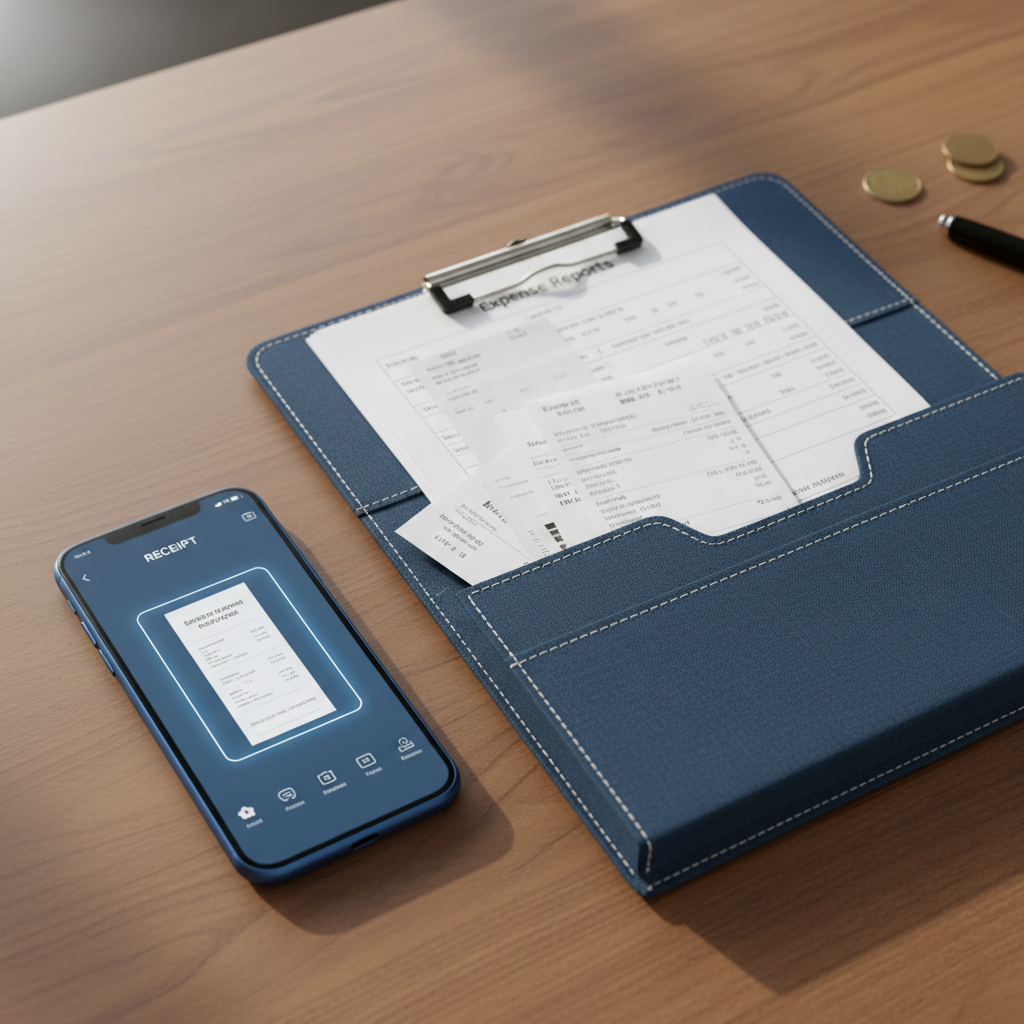
In this complete guide, we will walk you through exactly how long you need to hang onto your business receipts, when the clock starts ticking, which records need extra retention time, and how a digital receipt scanner like BudgetX makes compliance effortless.
The General Rule: 3 Years
For most small business owners and freelancers, the answer is straightforward. According to the IRS guidelines on recordkeeping, you should keep business receipts and supporting tax records for three years from the date you filed your original return — or two years from the date you paid the tax, whichever is later.
This three-year window aligns with the IRS standard statute of limitations. Under normal circumstances, the IRS has three years to audit your return. Once that window closes, your tax year is generally considered settled. But “normal circumstances” is the key phrase here — because there are several important exceptions that extend the clock significantly.
Here is a quick cheat sheet for the most common scenarios:
| Scenario | Retention Period | IRS Reference |
|---|---|---|
| Standard tax return, no issues | 3 years | General rule |
| Under-reported income by 25%+ | 6 years | Substantial omission |
| Fraudulent return or no return filed | Indefinitely | Fraud exception |
| Employment tax records | 4 years | After tax due or paid |
| Property/asset records | 3 years after disposal | Depreciation recapture |
| Worthless securities / bad debt deduction | 7 years | Extended claim period |
When You Need to Keep Receipts for 6 Years (or Longer)
The three-year rule has teeth — specifically, a six-year extension that kicks in when income goes unreported. If you under-report your gross income by more than 25%, the IRS gets six years to audit your return. That means every receipt, every expense log, and every bank statement supporting your deductions needs to stay accessible for six full years.
This is more common than you might think. A single forgotten 1099 from a client, an unreported side gig payment, or a misclassified revenue stream can push you past the 25% threshold without you realizing it. The safest approach? Treat the six-year retention window as your default, especially if your income comes from multiple sources — which describes most freelancers and gig workers in 2026.
Additionally, per IRS Topic No. 305, if you file a claim for a loss from worthless securities or a bad debt deduction, you need to keep those records for seven years.
Special Cases: Property, Employment Tax, and State Rules
Property and Asset Records
For any business property or major asset (equipment, vehicles, real estate), keep the purchase receipt, depreciation schedules, and improvement records until three years after you sell or dispose of the asset. Why? Because when you sell, you will need to calculate depreciation recapture and capital gains, and without the original records, you risk paying tax on phantom gains.
Employment Tax Records
If you have employees or 1099 contractors, employment tax records need to stay on file for at least four years after the tax becomes due or is paid, whichever is later. This includes W-2s, 1099-NECs, payroll records, and corresponding receipts for reimbursed expenses.
State Tax Rules May Differ
Do not forget that your state tax agency may have its own retention requirements. Some states, like California and New York, have longer audit windows than the IRS. Check with your state department of revenue or consult a local CPA to confirm. When in doubt, keeping records for seven years across the board is a defensible policy.
Digital vs Paper Receipts: The IRS Accepts Both in 2026
One of the biggest misconceptions among freelancers is that you need the physical paper receipt. You do not. The IRS has accepted digital copies of receipts for years, as long as the digital version is a legible, accurate, and complete representation of the original document. This applies equally to receipts, invoices, bank statements, and canceled checks.
The IRS recordkeeping requirements explicitly state: “You may choose any recordkeeping system suited to your business that clearly shows your income and expenses.” There is no requirement to keep paper at all — a well-organized digital system with clear images and searchable records satisfies every IRS requirement.
This is where how long to keep business receipts becomes much less daunting. When your receipts live in the cloud — digitally scanned, categorized, and searchable — keeping them for seven years is trivial. It takes no physical space, costs nothing to store, and makes expense retrieval during tax season or an audit take seconds instead of hours.
Practical Tips for Managing Years of Receipts
- Scan immediately. Paper receipts fade over time. Thermal-printed receipts can become illegible within months. Scan them the moment you receive them — the clock on three years does not mean much if the receipt is blank by year two.
- Organize by tax year, not calendar year. Your retention clock starts from the filing date, not the date of purchase. Group receipts by tax year to make pruning old records safe and easy.
- Back everything up. Store scanned receipts in at least two places. Cloud storage with automatic sync is ideal — BudgetX handles this automatically, ensuring your records survive a lost phone, dead hard drive, or spilled coffee.
- Categorize as you go. The IRS cares about what the expense was for, not just the dollar amount. Categories like “office supplies,” “client meals,” “software subscriptions,” and “mileage” make deductions clear and audit-ready from day one.
- Do not over-prune. It is tempting to delete old records the moment three years passes. But if you have filed an amended return, claimed a net operating loss carryforward, or have any open tax matter — those records are still in play. When uncertain, keep it.
What Happens If You Do Not Have the Receipt During an Audit?
An IRS audit without supporting receipts is a worst-case scenario. Without documentation, the IRS can disallow deductions — and you will owe back taxes, penalties, and interest. If you have kept digital records, you can typically respond to an audit notice with PDF exports or secure links rather than showing up in person with boxes of paper. Many audit resolutions in 2026 happen entirely through digital correspondence, making your receipt management system your first and best line of defense.
Make Receipt Retention Effortless
Knowing how long to keep business receipts is only half the battle. The real challenge is building a system that actually works — one that captures every expense at the moment it happens, stores it securely, and makes retrieval instant when you need it. That is exactly what BudgetX was built for.
BudgetX scans your receipts in under 3 seconds, extracts the merchant, amount, date, and category using AI, and stores everything in your encrypted cloud account. When tax season arrives — or if the IRS comes knocking — you can export category-sorted, tax-ready reports with a single tap. No shoeboxes. No faded paper. No panic.
Download BudgetX free and start building a receipt library that the IRS will love — and you will not have to think about.