Every year, millions of taxpayers face IRS audits that could have been easily defended—with proper documentation. The difference between a stress-free audit and a financial nightmare often comes down to five specific types of receipts that most people casually toss in the trash.
According to the IRS Data Book, individual tax returns face audit rates that increase dramatically when certain deductions are claimed without proper documentation. Yet despite the risk, most freelancers and small business owners remain dangerously unprepared.
The good news? Building an audit-proof documentation system is simpler than you think—and it starts with knowing exactly which receipts matter most.
1. Home Office Equipment and Furniture (Depreciation Proof)
Your home office deduction is one of the most valuable tax breaks available to remote workers and business owners. But it’s also one of the most commonly audited deductions—and for good reason.
Why it matters: The IRS allows you to deduct a portion of your home expenses (mortgage interest, utilities, insurance) based on the percentage of your home used for business. Additionally, furniture and equipment purchased for your home office can be depreciated over time or deducted immediately under Section 179.
Common mistakes:
- Throwing away receipts after the first year (depreciation requires ongoing documentation)
- No clear business purpose documented for the purchase
- Missing records of personal vs. business use percentages
- Failing to photograph receipts that fade over time
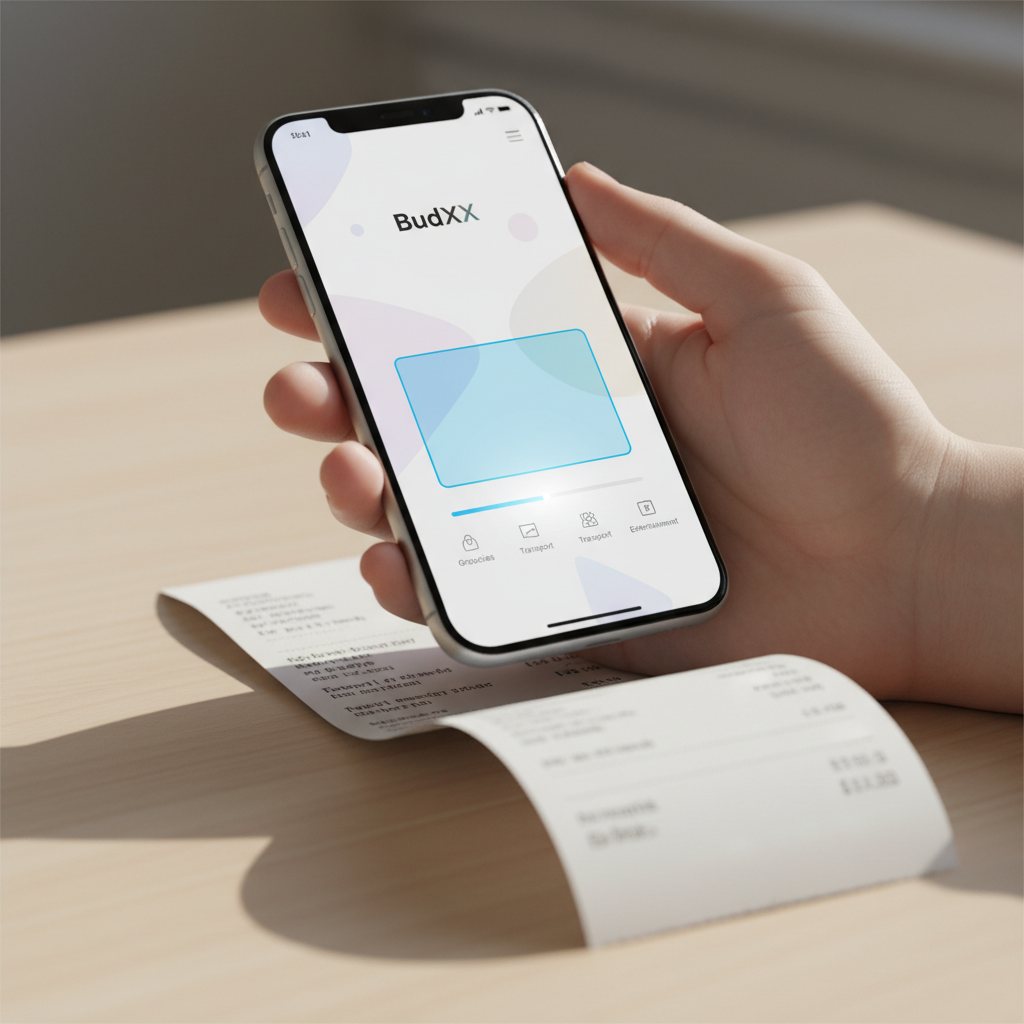
How BudgetX helps: Our AI-powered receipt scanner automatically categorizes home office purchases and maintains permanent digital copies. The app also calculates depreciation schedules and tracks your business-use percentage over time.
2. Vehicle Mileage Logs (Critical for Auto Deductions)
Vehicle expenses are a major deduction for business owners, but they’re also a top audit trigger. The IRS requires contemporaneous documentation—meaning mileage logs recorded at or near the time of travel, not reconstructed from memory months later.
Why it matters: You can deduct either actual vehicle expenses (gas, maintenance, insurance) or the standard mileage rate—both require meticulous records. In 2024, the standard mileage rate is 67 cents per business mile.
Common mistakes:
- Relying on reconstructed mileage estimates (often rejected in audits)
- Missing documentation of business purpose for each trip
- Not recording starting and ending odometer readings
- Mixing personal and business trips without clear separation
How BudgetX helps: BudgetX’s GPS-enabled mileage tracking records trips automatically in real-time. Each entry captures start/end locations, total miles, and lets you add business purpose notes on the spot—creating audit-proof documentation with zero effort.
3. Meal Receipts with Business Purpose Noted
Business meals are 50% deductible—but only when you can prove they were directly related to your business activities. This is where most taxpayers fail.
Why it matters: The IRS requires you to document five things for every business meal: amount, date, location, business purpose, and business relationship. A faded restaurant receipt without this information is worthless in an audit.
Common mistakes:
- Receipts that don’t show who attended and business discussion topic
- Missing dates or location details
- No documentation of business relationship with dining companions
- Personal meals incorrectly categorized as business
How BudgetX helps: When you scan a meal receipt, BudgetX prompts you to add the required business purpose and attendee information on the spot. The app stores all details together in one organized, searchable record.
4. Travel Receipts with Business Context
Business travel deductions are legitimate—but they’re also heavily scrutinized because they often blur the line between business and personal activities.
Why it matters: You can deduct transportation, lodging, meals, and incidental expenses when travel is primarily for business. The key word is “primarily”—the IRS looks closely at trips that appear to mix vacation with work.
Common mistakes:
- No documentation proving the business purpose of travel
- Missing receipts for lodging (hotels often email receipts that get lost)
- Personal day trips mixed into business travel without separation
- No records of meetings, conferences, or client visits
How BudgetX helps: BudgetX organizes all travel-related expenses by trip and automatically prompts you to document the business purpose. Forward hotel and airline confirmation emails directly to your BudgetX account for permanent, searchable storage.
5. Professional Development Expenses
Education and professional development costs are deductible when they maintain or improve skills in your current business—but not if they qualify you for a new career.
Why it matters: Conference fees, certification courses, industry publications, and professional memberships can all be deducted. However, the IRS draws a fine line between “maintaining” skills (deductible) and “acquiring” new skills for a different career (not deductible).
Common mistakes:
- Discarding conference brochures and agendas
- No proof that education relates to existing business
- Missing certificates of completion
- Not documenting how education improves current business skills
How BudgetX helps: BudgetX’s category system includes dedicated tracking for professional development. Scan conference receipts, upload course completion certificates, and add notes about how each expense relates to your current business—all in one organized system.
The Bottom Line: Every Receipt Tells a Story
What makes these five receipt types so critical isn’t just their dollar value—it’s their audit risk profile. The IRS knows that these categories are frequently misused or poorly documented, making them prime targets for examination.
Building an audit-proof system doesn’t require complex software or hours of administrative work. It requires:
- Capturing receipts immediately (before they fade or get lost)
- Adding context at the point of purchase (business purpose, attendees, etc.)
- Organizing by category and date for easy retrieval
- Maintaining permanent digital copies that never fade
Whether you’re facing an audit or simply want peace of mind, having these five receipt types organized and accessible can save you thousands in taxes, penalties, and stress.
Start Building Your Audit Defense Today
The best time to organize your receipts was yesterday. The second-best time is today. With BudgetX, you can scan, categorize, and store every receipt in seconds—with all the business context the IRS requires.
Download BudgetX free and transform your shoebox of receipts into an audit-proof documentation system.