The Freelancer’s Guide to Cash Flow Management: Never Run Out of Money Again
Cash flow problems kill more freelance businesses than lack of clients ever will. Here’s how to build a system that keeps money flowing—no matter what.
If you’ve ever stared at your bank account the day before rent is due, wondering where all that invoice money went, you’re not alone. According to a Upwork study, 59% of freelancers experience income volatility as their biggest financial challenge. The feast-or-famine cycle isn’t just stressful—it’s the #1 reason freelancers quit and go back to traditional employment.
But here’s the truth: cash flow problems aren’t about how much you earn. They’re about how you manage what you have. A freelancer making $5,000/month with poor cash flow management will struggle more than one making $3,000/month with a solid system.
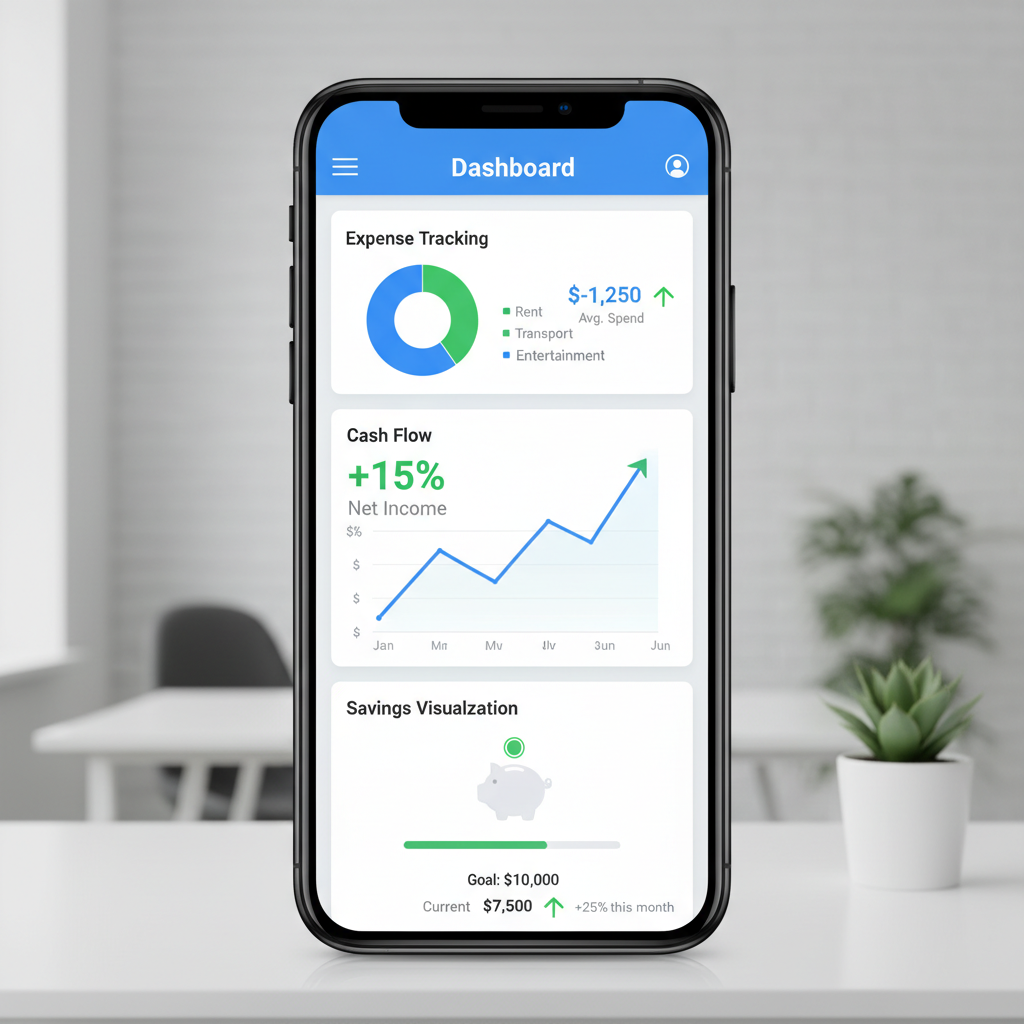
What Is Cash Flow (And Why Freelancers Get It Wrong)
Cash flow is simply the movement of money in and out of your business. Positive cash flow means more money coming in than going out. Negative cash flow means you’re burning through reserves.
Freelancers often confuse revenue with cash flow. You might have invoiced $8,000 this month, but if clients haven’t paid yet, your actual cash flow could be negative. This gap between “money earned” and “money in hand” is where most freelance financial disasters happen.
The Small Business Administration reports that 82% of small business failures are due to poor cash flow management. As a freelancer, you are a small business—this statistic should terrify you into action.
The 5-Step Cash Flow System for Freelancers
Step 1: Know Your Numbers (The Foundation)
You can’t manage what you don’t measure. Before you can improve your cash flow, you need visibility into:
- Monthly income: What actually hits your bank account (not what you invoiced)
- Fixed expenses: Rent, software subscriptions, insurance, loan payments
- Variable expenses: Marketing, travel, supplies, contractor fees
- Personal draw: What you pay yourself each month
Most freelancers skip this step because it feels tedious. But tracking takes 5 minutes a day with the right tools—and it’s the difference between guessing and knowing.
Step 2: Build a 3-Month Emergency Fund
Traditional advice says save 3-6 months of personal expenses. For freelancers, make it 3 months of business + personal expenses combined. This is your buffer against late payments, client churn, and slow seasons.
Start small if you need to:
- Month 1: Save one week of expenses
- Month 2-3: Build to one month
- Month 4-6: Reach three months
Keep this money in a separate high-yield savings account—not mixed with your operating funds. When a client pays late (and they will), you won’t panic.
Step 3: Time Your Expenses to Your Income
One of the biggest cash flow mistakes freelancers make is paying annual subscriptions or large expenses all at once, right when cash is tight. Instead:
- Negotiate payment terms: Ask vendors for monthly payments instead of annual
- Stagger large expenses: Schedule software renewals for months when you historically have higher income
- Prepay when flush: If you have a great month, prepay expenses for the next quarter
The goal is to smooth out your cash outflows so they don’t all hit at once.
Step 4: Speed Up Your Receivables
Money sitting in unpaid invoices is money you can’t use. Here’s how to get paid faster:
- Shorten payment terms: Go from Net-30 to Net-14 or Net-7
- Offer early payment discounts: 2% off for payment within 5 days
- Require deposits: 50% upfront for new clients or large projects
- Automate reminders: Send payment reminders at Day 1, Day 7, and Day 14
- Use instant payment methods: Accept credit cards, PayPal, Venmo for faster turnaround
According to FreshBooks data, freelancers who require deposits get paid 71% faster than those who don’t.
Step 5: Track Expenses as They Happen
The #1 cash flow leak for freelancers? Untracked expenses. Small purchases add up fast:
- That $15/month subscription you forgot about
- Coffee meetings you didn’t log as business expenses
- Software tools you stopped using but still pay for
Every untracked expense is a tax deduction you’re missing—and cash flow visibility you’ve lost. The solution: capture every receipt the moment you spend.
With BudgetX, you can snap a photo of any receipt and it’s automatically categorized, logged, and ready for tax time. No more shoeboxes of paper receipts or digging through email for digital ones.
The Weekly Cash Flow Check-In
Building the system is step one. Maintaining it requires a weekly ritual. Every Friday, spend 15 minutes on:
- Review incoming payments: What’s outstanding? Send reminders if needed.
- Check account balances: Compare against your 3-month target.
- Scan upcoming expenses: Any big bills coming due next week?
- Log this week’s receipts: Don’t let them pile up.
This 15-minute habit prevents 90% of cash flow surprises. You’ll know weeks in advance if you’re headed for trouble, giving you time to chase payments or line up new work.
When Cash Flow Goes Negative: Emergency Tactics
Sometimes, despite your best efforts, cash flow turns negative. Here’s your emergency playbook:
- Call outstanding clients: A phone call works better than an email. Ask if they can pay a portion now.
- Offer a discount for immediate payment: 5-10% off might be worth getting cash today.
- Invoice for work in progress: Send a progress invoice for work already completed.
- Reach out to past clients: Offer a small project or retainer for quick cash.
- Delay non-essential expenses: Can that software wait another month?
Don’t wait until you’re desperate. Act the moment you see a cash flow gap on the horizon.
The Bottom Line
Cash flow management isn’t glamorous, but it’s the foundation of a sustainable freelance career. You can have the best skills and clients in the world, but if you can’t pay rent next month, none of it matters.
Start today:
- Open a spreadsheet (or better yet, download BudgetX)
- List every expense from the last 30 days
- Compare to what actually hit your bank account
- Identify your biggest cash flow leaks
- Implement the 5-step system above
Your future self—calm, confident, and financially stable—will thank you.
Ready to take control of your freelance finances? Track every expense, capture every receipt, and see your cash flow in real-time. Download BudgetX free and start today.