Introduction
The world of e-commerce is a thrilling frontier, but for many Shopify merchants, the back-office reality is a complex maze of expenses. From transaction fees and shipping costs to marketing spend and app subscriptions, keeping track of every dollar can feel like a full-time job. Mastering this expense maze is not just about survival; it’s about unlocking the true profitability of your online store.
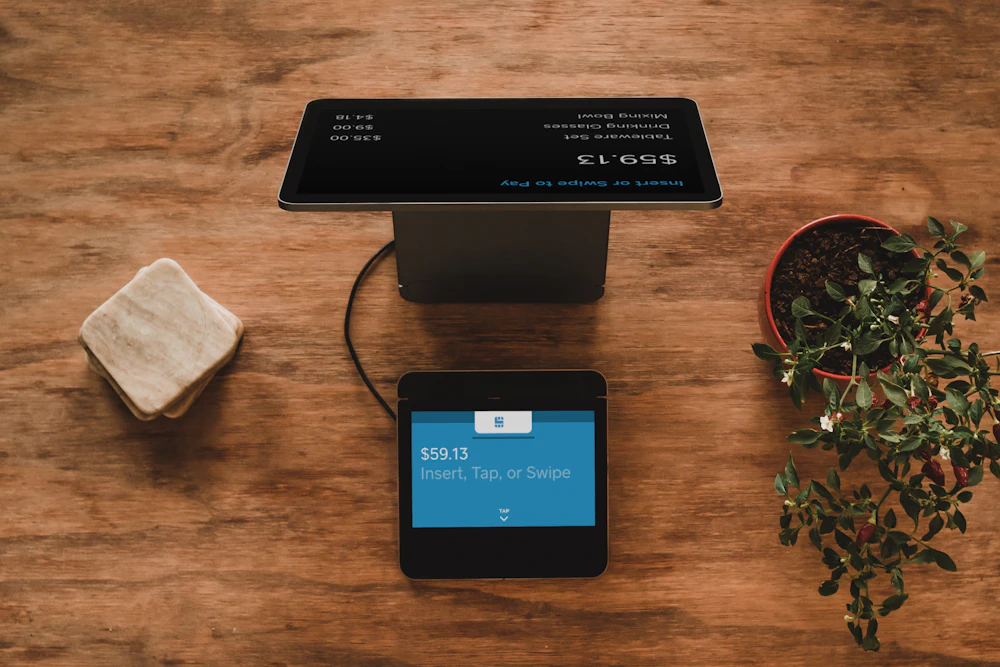
The Shopify Expense Breakdown
To master your finances, you first need to understand the components of your overhead. Shopify expenses typically fall into several key categories:
- Subscription Fees: Your monthly Shopify plan cost.
- Transaction Fees: The percentage taken by payment gateways.
- App Costs: Recurring monthly fees for the tools that power your store.
- Inventory & COGS: The cost of the goods sold, including manufacturing and freight.
- Shipping & Logistics: Labels, packaging, and returns.
- Marketing: Ad spend on Meta, Google, and TikTok.
The Hidden Leaks in Your Profitability
Many merchants fail to account for “hidden” costs that slowly erode margins. These include subscription overlap (paying for two apps that do the same thing), unoptimized shipping rates, and failed payment recovery. Without a centralized system to track these micro-expenses, your “profitable” store might actually be losing money at the end of the month.
Enter BudgetX: Your Financial Compass
This is where BudgetX changes the game for Shopify owners. Instead of manually exporting CSVs and fighting with spreadsheets, BudgetX allows you to simply scan or upload your business receipts and automatically categorize them. Whether it’s a digital receipt for a new Shopify app or a physical bill for office supplies, the AI-driven scanner identifies the expense, tax implications, and total cost in seconds.
By digitizing your paper trail, BudgetX provides a real-time view of your outflow. You can see exactly how much you’re spending on “App Subscriptions” versus “Shipping Logistics,” allowing you to make data-driven decisions on where to cut costs.
Strategies for Expense Mastery
1. Audit Your Apps Monthly: Check your Shopify dashboard for apps you no longer use. If you haven’t opened it in 30 days, delete it.
2. Consolidate Shipping: Use BudgetX to track your total shipping spend. If it exceeds 15% of your revenue, it’s time to negotiate better rates with carriers or switch to a 3PL.
3. Automate Your Accounting: Stop spending your weekends on bookkeeping. Use receipt scanning tools to keep your records audit-ready 24/7.
Conclusion
Mastering the Shopify expense maze doesn’t require an accounting degree; it requires the right tools and a consistent habit of tracking. By understanding your overhead and utilizing AI-powered solutions like BudgetX, you can stop guessing about your margins and start growing your micro-app empire with confidence.
🧾 Get Your Free Tax Prep Checklist
Everything freelancers need to file taxes stress-free — zero fluff, just the checklist.
⚠️ Tax Deadline: April 15 — Act Now
Also: Scan receipts in seconds with BudgetX AI — Download Free