June 15 is exactly 31 days away — and if you’re a freelancer who hasn’t started pulling together your Q2 tax documents, now is the time. Missing or incomplete receipts can mean leaving hundreds (or thousands) of dollars in deductions on the table. This checklist covers every document you need before the Q2 estimated tax deadline so you’re organized, covered, and confident.
Why Receipts Matter for Q2 Estimated Taxes
As a freelancer, you’re responsible for paying estimated taxes four times a year. The IRS requires self-employed individuals to pay quarterly if they expect to owe at least $1,000 in taxes for the year. But here’s the good news: every legitimate business expense you can document reduces your taxable income — and therefore reduces what you owe.
According to the IRS Publication 334 (Tax Guide for Small Business), you can deduct ordinary and necessary business expenses. The key word is document. Without receipts and records, you can’t claim the deduction — even if you legitimately spent the money.
Here’s the complete Q2 tax receipt checklist every freelancer needs.
The Q2 Tax Receipt Checklist
📋 Section 1: Business Income Documents
Before expenses come income. Make sure you have:
- All client invoices sent between January 1 – March 31 (Q2 estimated taxes cover Q1 income for most)
- 1099-NEC forms from clients who paid you $600 or more
- Payment confirmations from PayPal, Venmo Business, Stripe, or any payment processor
- Bank statements showing all deposits from freelance work
- Cash payment records — any payments received that weren’t processed digitally
Pro tip: Cross-reference your invoices against your 1099s. Discrepancies between what you invoiced and what clients reported can trigger an audit.
🏠 Section 2: Home Office Receipts
If you have a dedicated workspace in your home used regularly and exclusively for business, you may qualify for the home office deduction. Gather:
- Rent receipts or mortgage statements
- Utility bills (electricity, internet, gas)
- Renter’s or homeowner’s insurance statements
- Home repair/maintenance receipts (for the office area only)
- Square footage measurements of your office vs. total home
🚗 Section 3: Vehicle & Mileage Records
Did you drive for business purposes this quarter? You can deduct either actual vehicle expenses or use the standard mileage rate. Either way, you need:
- Mileage log (date, destination, business purpose, miles driven)
- Gas receipts (if deducting actual expenses)
- Vehicle maintenance receipts (oil changes, repairs)
- Auto insurance statements
- Parking and toll receipts for business trips
The IRS standard mileage rate for 2025 is 70 cents per mile for business use. Even short drives add up quickly.
🍽️ Section 4: Meals & Entertainment (50% Deductible)
Business meals with clients or prospects are 50% deductible. For each receipt, note:
- Restaurant receipt with date and amount
- Name(s) of who you met with
- Business purpose of the meal
Note: Entertainment expenses (concerts, sporting events) are generally not deductible under current tax law. Meals are — with proper documentation.
✈️ Section 5: Travel Expenses
If you traveled for business in Q1, collect:
- Airfare receipts or confirmation emails
- Hotel/lodging receipts
- Rental car receipts
- Rideshare receipts (Uber, Lyft) for business travel
- Conference or event registration fees
💻 Section 6: Equipment & Software
Business tools you purchased for your freelance work are deductible:
- Computer, tablet, or smartphone purchase receipts
- Software subscriptions (Adobe, Notion, Slack, Zoom, etc.)
- Hardware accessories (keyboards, monitors, headsets)
- Cloud storage or hosting fees
- Domain registrations and website costs
👩💼 Section 7: Professional Services
- Accountant or tax preparer fees
- Attorney fees for business matters
- Business coaching or consulting fees
- Subcontractor payments (and any 1099s you issued)
🏥 Section 8: Health Insurance Premiums
Self-employed freelancers can often deduct 100% of health insurance premiums for themselves and their families. Gather:
- Health insurance premium statements
- Dental and vision insurance premium receipts
This deduction is taken on your personal return (not Schedule C), but the documentation requirement is the same.
📑 Section 9: Q1 Quarterly Estimate Records
Don’t forget what you already paid:
- IRS Direct Pay confirmation for Q1 estimated payment
- State estimated tax payment confirmation
- Form 1040-ES vouchers (if you mailed a check)
These payments reduce what you owe when you file your annual return — keep every confirmation email.
How Long to Keep Each Document
The IRS recommends keeping tax records for at least:
- 3 years — most receipts and supporting documents
- 6 years — if you underreported income by more than 25%
- 7 years — if you filed a claim for bad debt or worthless securities
- Indefinitely — if you didn’t file a return or filed a fraudulent return
Digital copies are perfectly acceptable. The important thing is that they’re organized, accessible, and complete.
The BudgetX Solution: Your Receipt Organizer, Always Ready
Going through shoeboxes and email threads before every tax deadline is avoidable. BudgetX was built to eliminate exactly this problem for freelancers and self-employed professionals.
Here’s how it works:
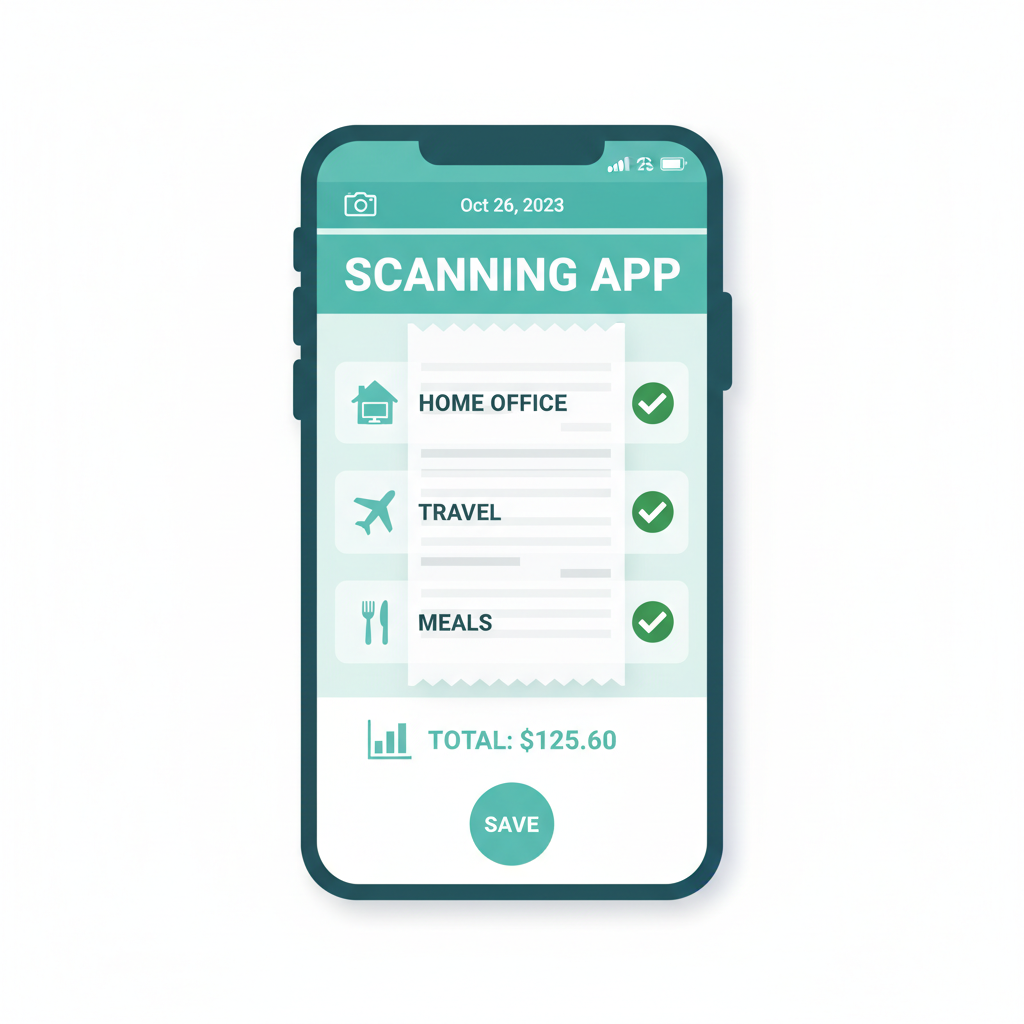
- Scan any receipt in 3 seconds — point your phone camera and done
- Auto-categorization — BudgetX sorts receipts into the right tax categories automatically (home office, travel, meals, equipment, and more)
- Always-ready tax reports — export a complete expense report anytime, perfectly organized for your accountant
- Cloud backup — never lose a receipt again, even if your phone gets replaced
- Works for quarterly taxes — see exactly what you’ve spent by category for any date range
With BudgetX, you’re not scrambling before June 15 — you’re already done. Every receipt scanned throughout the year means your Q2 checklist is practically complete before you even start.
Don’t Leave Deductions Behind
The average freelancer misses $2,000–$5,000 in legitimate deductions every year simply because they don’t have the receipts to prove them. With 31 days until the Q2 estimated tax deadline, now is the perfect time to build the receipt habit — or to catch up on everything from Q1.
Start scanning today. Your future self (and your wallet) will thank you.
Ready to stop chasing receipts?
Download BudgetX free