Let’s be honest—few things strike fear into the hearts of self-employed professionals quite like those three dreaded words: IRS tax audit. Whether you’re a freelancer, consultant, gig worker, or small business owner, the thought of an examiner poring over your financial records can feel overwhelming. But here’s the good news: with the right documentation system, you can transform audit anxiety into audit-proof confidence.
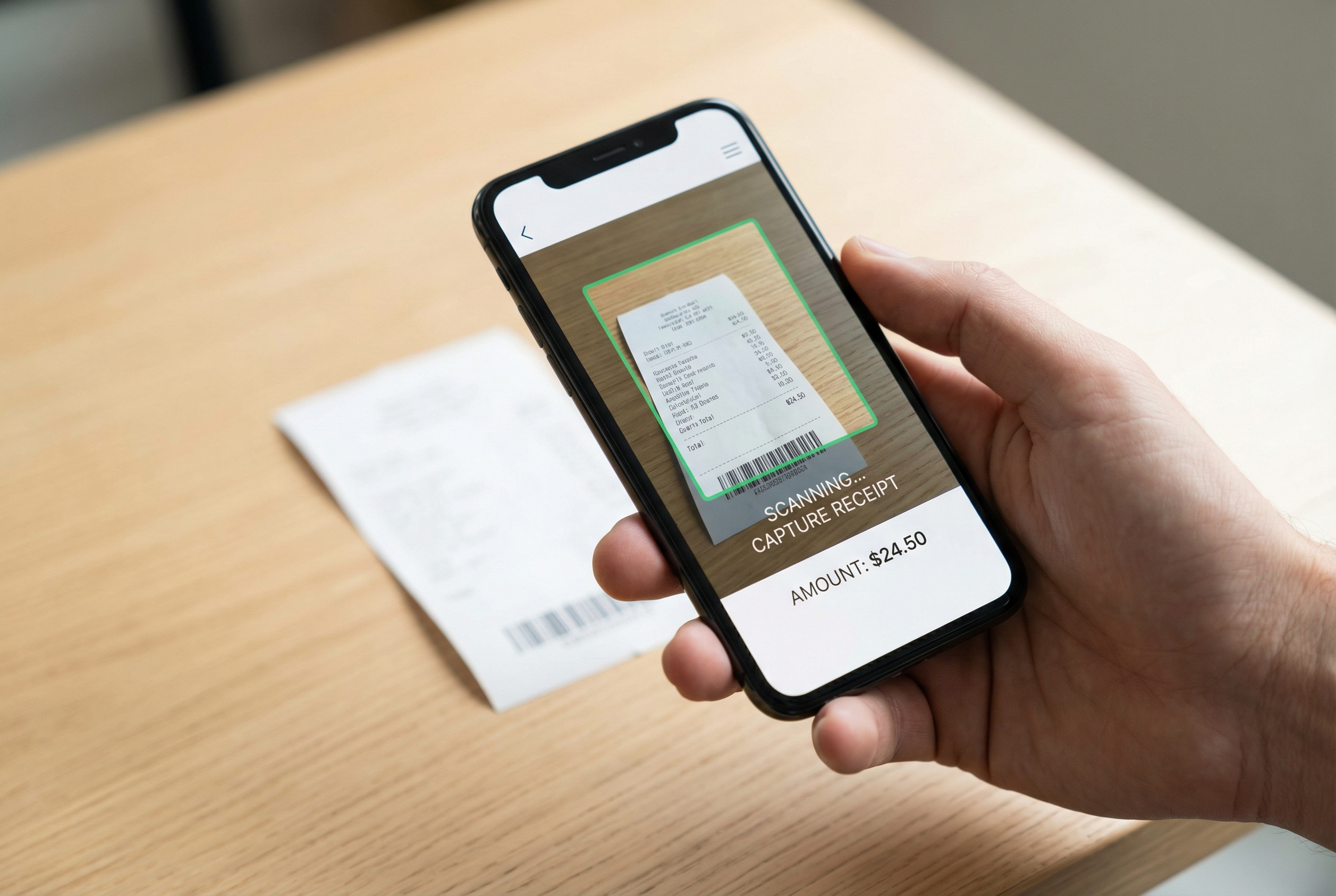
The secret lies in organized receipt categories. The IRS doesn’t just want to see that you spent money—they want proof that those expenses were legitimate business deductions. According to the IRS documentation requirements, you must maintain records that show the amount, time, place, business purpose, and business relationship for each expense.
Why Receipt Organization Matters for Self-Employed Taxpayers
Self-employed individuals face unique tax challenges compared to W-2 employees. You’re responsible for tracking every deductible expense, from home office costs to travel expenses. The IRS estimates that billions of dollars in legitimate deductions go unclaimed each year because taxpayers lack proper documentation. Worse yet, many audits result in penalties simply because receipts couldn’t be located when needed.
A proper recordkeeping system serves three critical purposes:
- Audit protection: Substantiates every deduction you claim
- Tax savings: Ensures you don’t miss legitimate write-offs
- Peace of mind: Eliminates the stress of scrambling during tax season
The 5 Receipt Categories That Protect You in an Audit
1. Business Meals and Entertainment
Business meals are one of the most scrutinized categories by the IRS—and also one of the most commonly claimed. For 2024 and beyond, business meals are generally 50% deductible, but you must have specific documentation for each expense.
What you need on every receipt:
- Date and location of the meal
- Names of attendees (especially if business relationship isn’t obvious)
- Business purpose discussed
- Total amount (including tip)
Example: “Lunch with Sarah Chen, prospective client, discussed Q1 marketing contract—$78 including tip.”
2. Home Office Expenses
The home office deduction is perfectly legitimate, but it requires meticulous records. You need receipts for utilities, internet, repairs, insurance, and any other costs related to maintaining your dedicated workspace.
Essential documentation:
- Square footage of your exclusive home office space
- Receipts for all utility bills (electricity, gas, water)
- Internet and phone bills with business usage percentage
- Home repair receipts with notes on office-related portions
- Property tax statements and homeowners insurance
3. Travel and Transportation
Travel expenses are audit gold—but only if documented correctly. The IRS wants to see clear separation between business and personal travel. Every mile driven for business and every travel expense needs supporting documentation.
Keep receipts for:
- Flights, trains, and rental cars
- Hotel stays with business purpose noted
- Mileage logs (date, starting location, destination, purpose, miles)
- Parking fees and tolls
- Ride-share receipts for business trips
Pro tip: Use a receipt scanning app to automatically capture and categorize travel expenses as they occur, preventing the end-of-year scramble.
4. Professional Services and Subscriptions
This category often flies under the radar but represents significant deductions. Any service you pay for to run your business qualifies—from accounting software to cloud storage to professional memberships.
Keep records of:
- Accountant and legal fees
- Software subscriptions (QuickBooks, Adobe, project management tools)
- Cloud storage and hosting fees
- Professional organization dues
- Industry publications and subscriptions
- Education and training courses related to your business
5. Equipment and Supplies
Business equipment and supplies can be deducted either immediately (under Section 179) or depreciated over time. The key is maintaining receipts that prove business use.
Document everything:
- Computers, monitors, and peripherals
- Office furniture and equipment
- Smartphones and tablets (with business use percentage)
- Printers and supplies (paper, ink, toner)
- Specialized tools for your trade
IRS Publication 946 provides detailed guidance on how to depreciate business assets over their useful life.
How BudgetX Simplifies Receipt Organization
Here’s where modern technology transforms audit preparation from a nightmare into a breeze. BudgetX automatically captures, categorizes, and stores every receipt you upload—sorting expenses into these exact categories the IRS expects to see.
Instead of keeping shoeboxes of crumpled receipts or scattered PDF files, BudgetX creates a searchable, audit-ready archive. When tax time comes (or if an audit notice arrives), you can instantly export organized expense reports by category, date, or amount.
Turn Audit Anxiety Into Audit Confidence
The difference between a stressful audit and a routine verification comes down to one thing: organized documentation. By maintaining proper receipt categories—meals, home office, travel, professional services, and equipment—you create an audit trail that satisfies IRS requirements and maximizes your legitimate deductions.
Don’t wait until you receive an audit notice to get organized. Start building your audit-proof documentation system today. Your future self (and your accountant) will thank you.