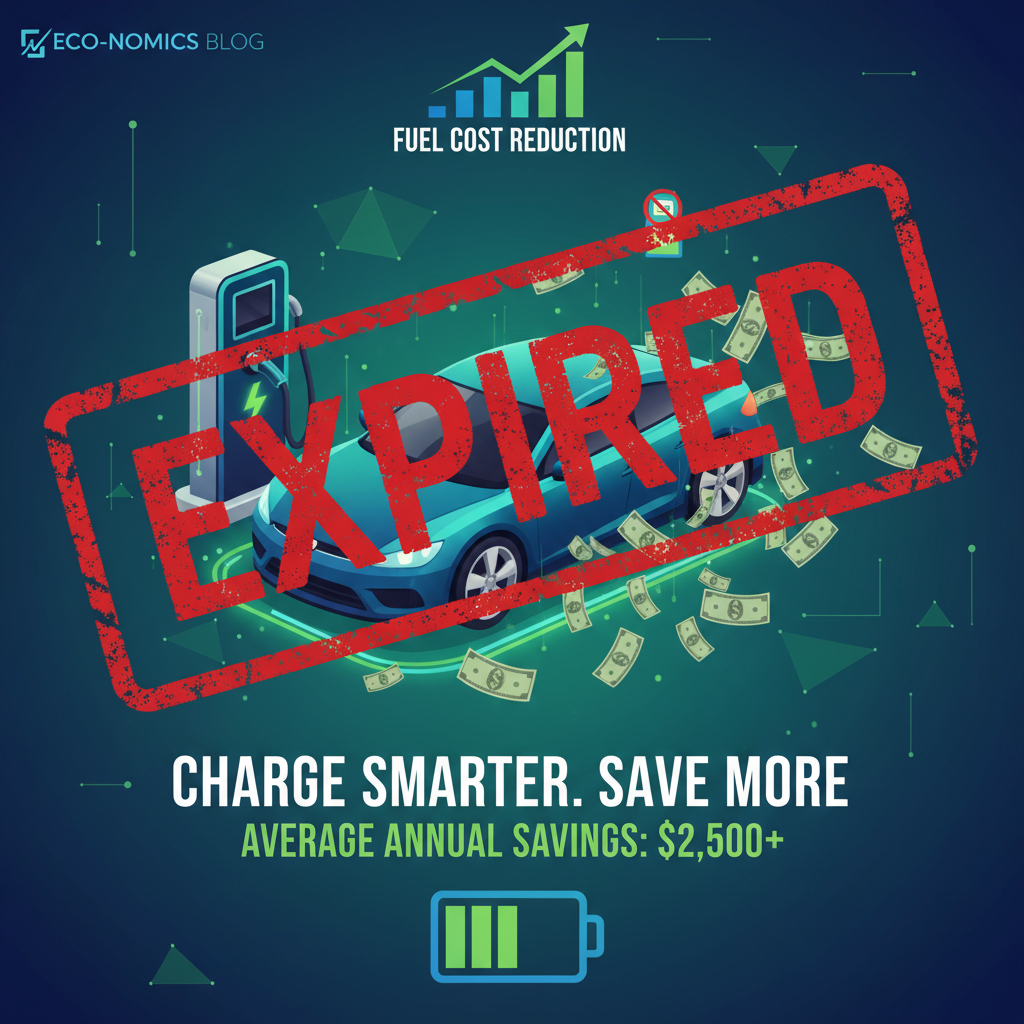
BREAKING NEWS (March 2026): The federal $7,500 Electric Vehicle (EV) tax credit has officially EXPIRED. If you’ve been waiting to buy an electric vehicle, here’s what you need to know — and more importantly, how you can still save up to $16,000 through state programs and automaker incentives.
The Federal EV Tax Credit Is Gone — What Happened?
On September 30, 2025, the federal government officially ended the popular $7,500 EV tax credit through the “One Big Beautiful Bill Act.” This means vehicles acquired after September 30, 2025, no longer qualify for the federal credit that many Americans had relied on to make EV ownership more affordable.
But here’s the good news: State programs and automaker deals are more aggressive than ever, offering savvy buyers substantial savings. In fact, in some states, you can actually save more than you would have under the old federal program.
What Federal Benefits Still Exist in 2026?
While the main EV purchase credit is gone, two federal benefits remain available:
- Auto Loan Interest Deduction (Up to $10,000/year): If you finance an American-made EV, you can deduct up to $10,000 in auto loan interest from your taxable income. Verify eligibility at IRS.gov.
- EV Charger Credit ($1,000 max): Available until June 30, 2026, this credit helps offset the cost of installing a home charging station. Learn more at the Department of Energy.
State Programs: Where the Real Savings Are
This is where things get exciting. Several states have stepped up with generous programs that can put thousands back in your pocket:
| State | Maximum Incentive | Program Name | Key Requirements |
|---|---|---|---|
| California | Up to $14,000 | CC4A / DCAP | Income-qualified (under $48K single / $96K joint) |
| Colorado | Up to $12,250 | VXC + IMVC | VXC: $9,000 max; IMVC: $750; Stackable |
| New York | $2,000 (proposed $7,500) | Drive Clean Rebate | Legislation pending for increase |
| New Jersey | Up to $4,000 | Charge Up NJ | New EV purchases only |
| Oregon | Up to $7,500 | OREGON Clean Vehicle | Income caps apply |
Note: State programs change frequently. Always verify current eligibility at your state’s official website before purchase.
Best Value EVs After Credits (2026)
Combining state incentives with manufacturer deals, here are some of the best values on the market right now:
Chevrolet Equinox EV — Best Budget Pick
- MSRP: ~$35,000
- California credits: Up to $14,000
- Net cost: ~$19,000 (with maximum incentives)
Tesla Model 3 — Best Value Premium
- MSRP: ~$40,000
- California credits: Up to $14,000
- Net cost: ~$24,000 (with maximum incentives)
Automaker Trade-In Programs You Shouldn’t Ignore
Manufacturers are competing hard for EV buyers in this post-federal-credit world. Here are the standout deals:
- Tesla: $2,000–$3,000 trade-in bonus (expires March 31, 2026) — Great for upgrading from an older vehicle
- Ford: Free home charger + professional installation for F-150 Lightning and Mustang Mach-E buyers — A $1,500+ value
- GM: Up to $10,000 in EV purchase credits for qualifying buyers — Can be combined with state programs
Real Savings Breakdown: See the Math
Let’s look at what a $50,000 EV actually costs after all available incentives:
California Example
- CC4A/DCAP rebate: -$12,000
- Charging credit: -$2,000
- Automaker trade-in bonus: -$2,000
- Final net cost: $34,000
- Total savings: 32% off MSRP
Colorado Example
- VXC rebate: -$9,000
- IMVC credit: -$750
- Automaker bonus: -$3,000
- Final net cost: $37,250
- Total savings: 25% off MSRP
Key insight: Even without the federal credit, California and Colorado residents can save nearly as much — or more — than the old $7,500 federal credit offered. The key is stacking multiple programs.
Steps to Maximize Your EV Savings
- Check your state program eligibility: Income limits apply in many states. Verify before you shop.
- Research automaker incentives: Tesla, Ford, GM, and others have different offers — compare them.
- Time your purchase: Some incentives have deadlines (Tesla’s trade-in bonus expires March 31, 2026).
- Stack everything: Combine state rebates + automaker deals + charger credits for maximum savings.
- Claim the federal charger credit: Don’t forget the $1,000 charger credit before June 30, 2026.
The Bottom Line
Yes, the $7,500 federal EV tax credit is gone — but that doesn’t mean EV ownership is out of reach. By strategically combining state rebates, automaker incentives, and remaining federal benefits, you can still save thousands on your next electric vehicle.
The EV market is more competitive than ever, and that’s good news for buyers. Use tools like BudgetX to track every incentive and make the most informed decision possible.
Ready to start saving? Download BudgetX free and track your EV budget, incentives, and total cost of ownership in one place.